To solve the problem of shell hole blockage, it is first necessary to clarify the composition and source of the blockage.The grooves and small holes on the surface of the vacuum press roll are used to generate negative pressure during the pressing process, helping dewater the paper web and keep it close to the felt.However, during paper machine operation, fine fibers, fillers (such as calcium carbonate and talcum powder), and sizing agents (such as starch and latex) in the pulp may enter the holes and gradually accumulate over time, resulting in blockage.Such blockage reduces the vacuum effect, lowers dewatering efficiency, and even causes paper quality defects or web breaks.The blockage consists of both organic and inorganic substances.
To maintain the good working condition of the vacuum press roll, routine cleaning of the paper machine is generally performed every 7–10 days, especially for black paper production.During cleaning, acidic and alkaline chemicals are sprayed onto the felt, and organic and inorganic deposits on the felt and roll are removed through squeezing and flushing.Nevertheless, simple cleaning often cannot fully clear the holes once they are blocked.In this case, the best solution is to replace the roll with a spare one or upgrade the press roll.
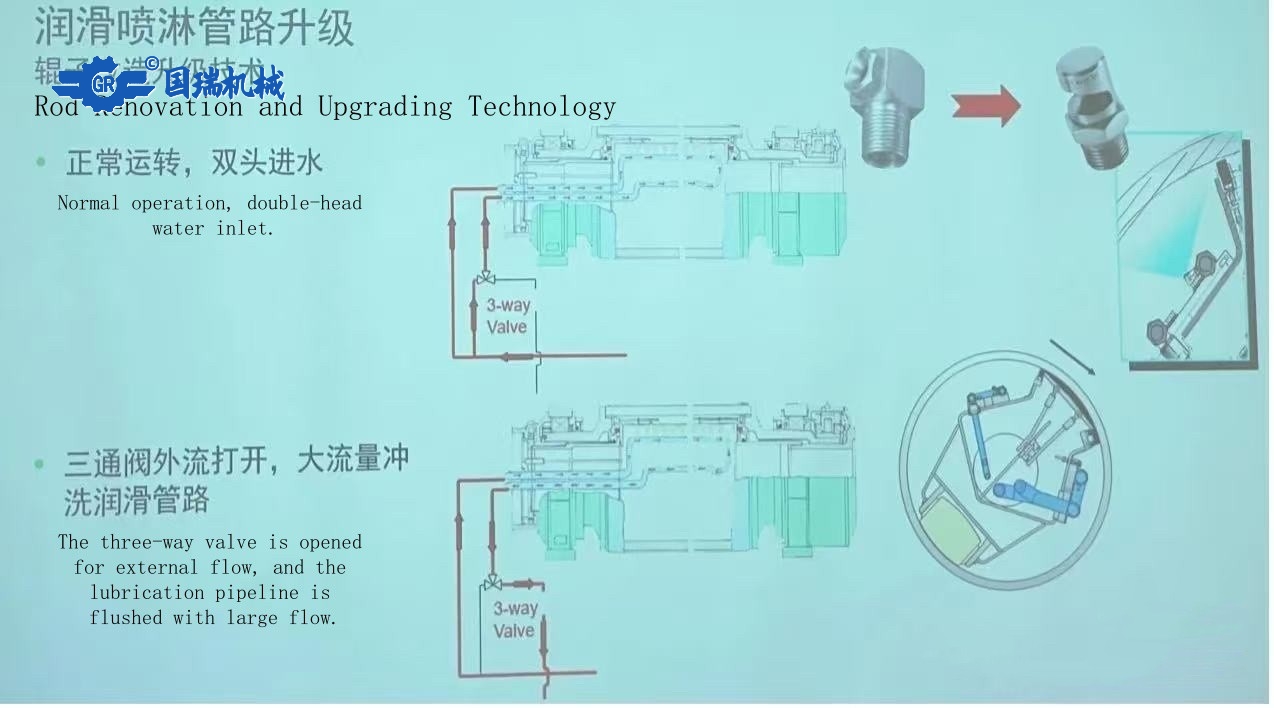
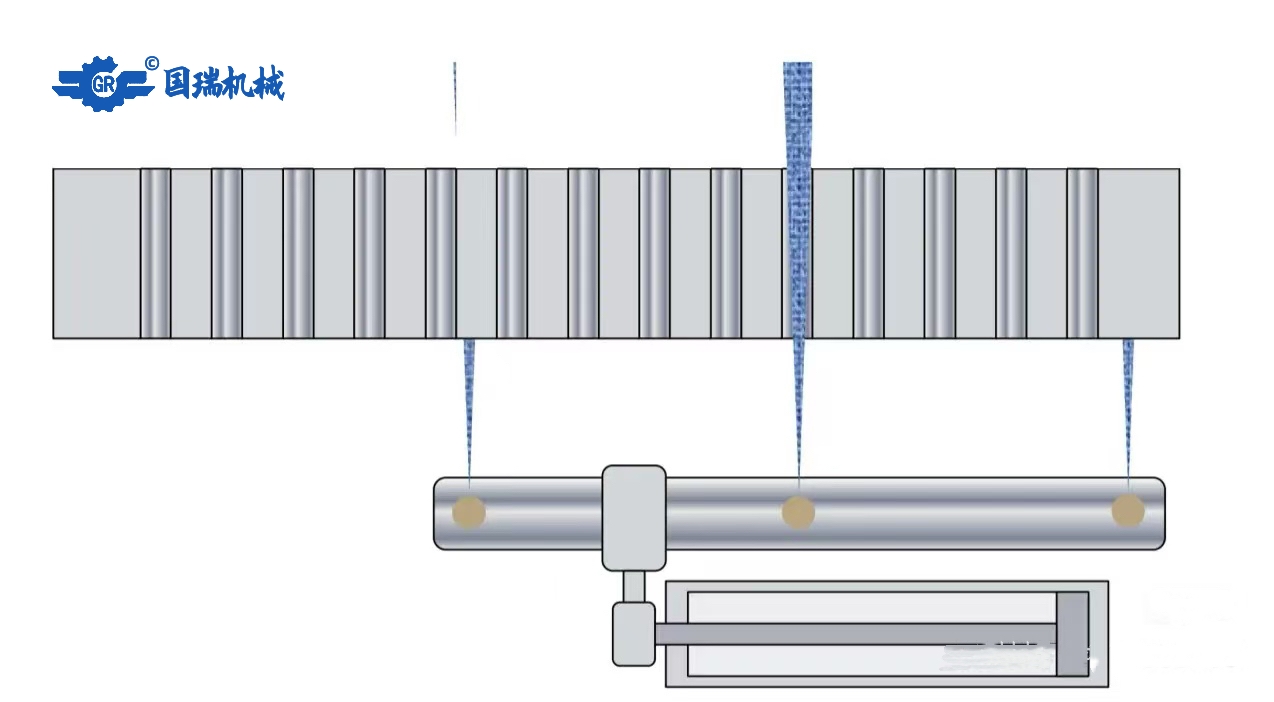
The blockage of the press roll is a long-term accumulation process.In normal production, conventional external high-pressure water (usually at 20–30 kg) can hardly clear the blocked holes effectively due to the thick shell and small hole diameter (generally less than 3 mm).In view of this situation, the press roll can be upgraded.Taking advantage of the internal structure of the press roll, a high-pressure water pipe with higher pressure and a swing device are installed inside, with the cleaning angle directed toward the white water tray.The device can be activated at any time or periodically according to actual needs to clean the holes from the inside out.Under the dual action of internal and external high-pressure water, the problem of hole blockage can be effectively solved.