The cylinder mould paper machine is a common type of papermaking equipment, and its basic structure consists of the following parts:
Pulp Supply System: It is responsible for feeding pulp into the headbox of the paper machine, usually conveying the pulp to the next stage via pumps or other conveying devices.
Drying Section: Located right after the pressing section, this part is generally composed of multiple layers of drying cylinders. The drying cylinders evaporate the moisture in the pulp through hot air or other heating methods, gradually turning the pulp into paper sheets.
Winding Section: The dried paper sheets are wound into paper rolls here, which is typically made up of winding cylinders and a winding device. The winding cylinders rotate to wind up the paper, while the winding device positions and secures the paper roll.
In addition, the cylinder mould paper machine is equipped with some auxiliary equipment, such as paper cutters and paper quality inspection devices, which are used for further processing and quality testing of the paper sheets. The entire operation process of the cylinder mould paper machine is continuous; through the collaboration of all sections, pulp is converted into finished paper products.
Wire Section Pulp Dewatering System: After passing through the headbox, the pulp enters the dewatering system of the cylinder mould paper machine, which includes a dewatering box and dewatering cylinders. The dewatering cylinders are perforated with numerous small holes that allow moisture to pass through, while the pulp particles remain on the cylinder surface to form a wet paper web.
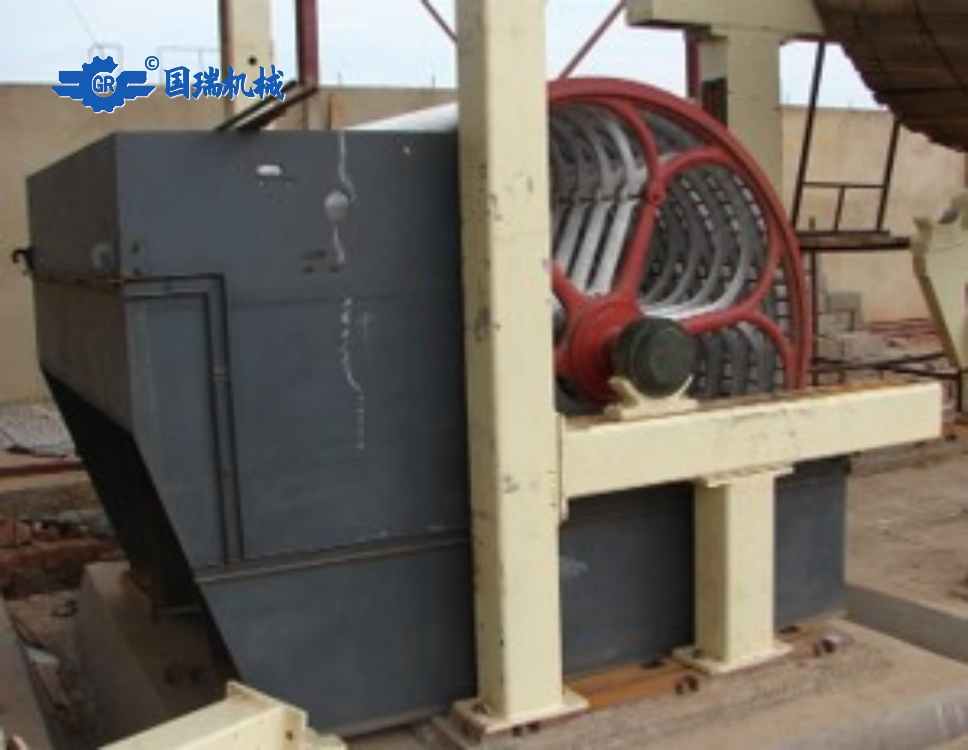
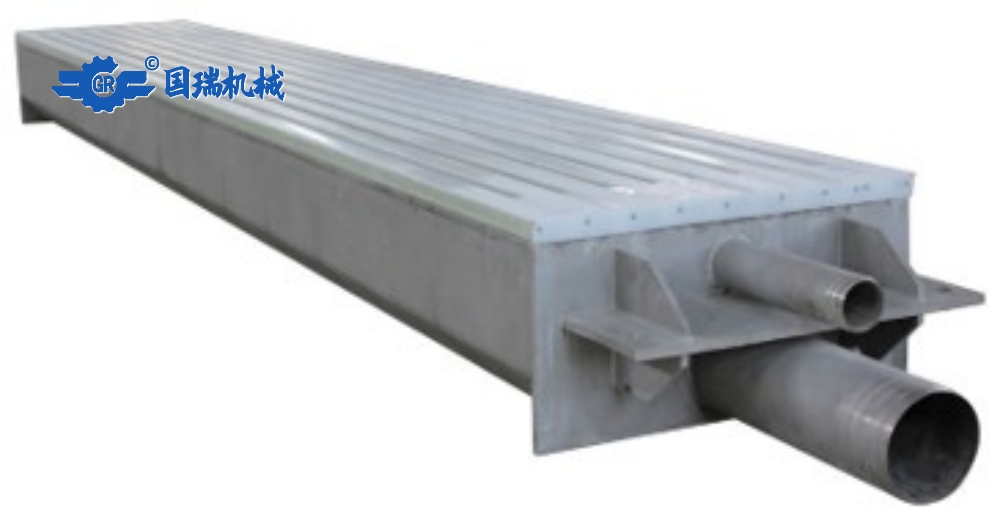
Vacuum Dewatering System: Positioned beneath the dewatering cylinder, there is usually a vacuum suction box. It generates negative pressure via the suction device to rapidly extract moisture from the pulp, thereby making the pulp particles bond more tightly.
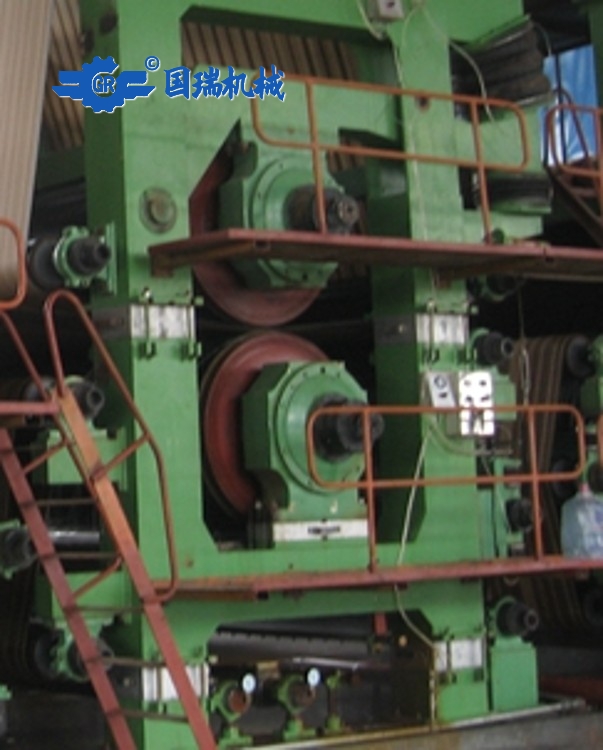
Pressing Section: Located below the vacuum dewatering system, this section is usually composed of a pair of pressing rollers. By exerting pressure on the pulp, the pressing rollers further remove moisture and make the pulp more compact.
Drying Section: Positioned right after the pressing section, this part is generally composed of multiple layers of drying cylinders. The drying cylinders evaporate the moisture from the pulp by means of hot air or other heating methods, gradually turning the pulp into paper sheets.